Flat Clearance Southwark: Recycling and Sustainability in Your Local Area
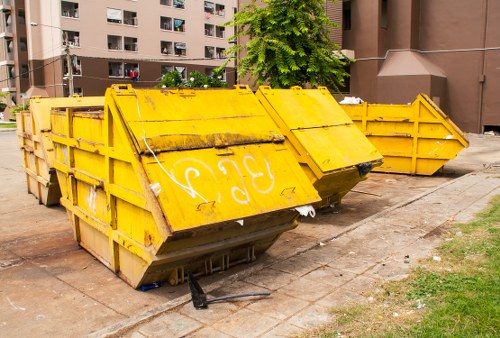 At Flat Clearance Southwark we prioritise an eco-friendly waste disposal area approach that keeps materials circulating in the local economy rather than ending up in landfill. Our local clearance teams are trained to separate and sort at source, aligning with the boroughs' approach to waste separation and the Greater London emphasis on reuse, recycling and reduced residual waste. This page outlines our sustainable rubbish area practices, recycling targets, partner networks and the low-carbon transport we use to serve Southwark households and businesses.
We know that sustainable rubbish area practices require more than good intentions: they need clear targets, reliable logistics and strong local partnerships. Our standard operating procedures for flat clearance include pre-visit audits, on-site segregation for paper, card, mixed recyclables, glass, bulky wood, metal and textiles, and the use of dedicated containers that minimise contamination. We follow the borough guidance on source separation and encourage clients to help by pre-sorting obvious recyclables where possible.
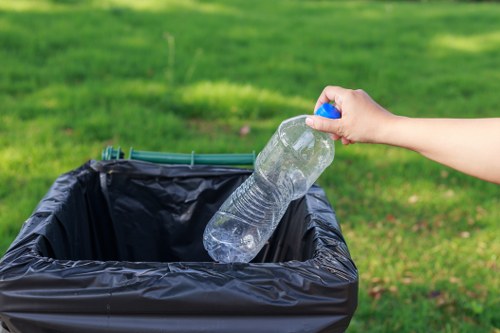 The core commitment at Flat Clearance Southwark is measurable improvement: our current public pledge is a recycling percentage target of 65% by 2030 across all clearance jobs within the borough. This figure encompasses materials we divert to re-use, repair and recycling streams — not just what avoids landfill. Achieving a 65% diversion rate means prioritising reuse partners, directing recyclables to certified processors and continual staff training to improve separation on the ground.
Local transfer stations and responsible processing
We route separated loads through local transfer stations and material recovery facilities to reduce haul miles and emissions. Using closer transfer points keeps our operations within the eco-friendly waste disposal area footprint and speeds the journey from collection to recovery. Typical routes include transfer stations in Southwark and neighbouring boroughs that accept segregated streams for paper, cardboard, glass, metals and construction-type waste.
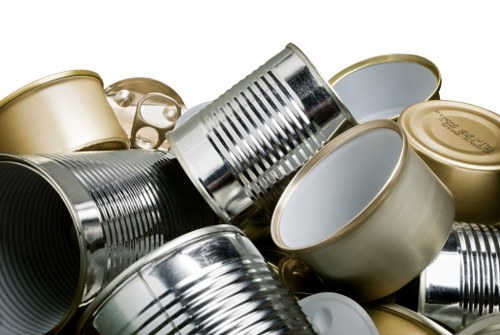 Our logistical map lists the following common transfer and processing options we work with or access via local networks:
- Local Southwark transfer hubs for segregated dry recyclables and bulky items
- Neighbouring borough material recovery facilities (MRFs) for mixed recycling
- Dedicated wood and metal recycling yards for furniture components and fittings
- Textile reprocessing partners and community reuse centres for wearable items
Each load is accompanied by a waste transfer note and chain-of-custody records where applicable to ensure transparency and compliance with environment rules. By limiting long-distance transfers we reinforce the principle of a sustainable waste area that reduces environmental impact and supports the circular economy locally.
Partnerships with charities and reuse organisations
Working with charities is central to creating a strong green disposal area within Southwark. Flat Clearance Southwark has established ongoing links with local and national non-profits to maximise the re-use potential of items recovered during clearances. These partnerships are focused on furniture, household goods, clothing and small electricals suitable for testing and rehoming.
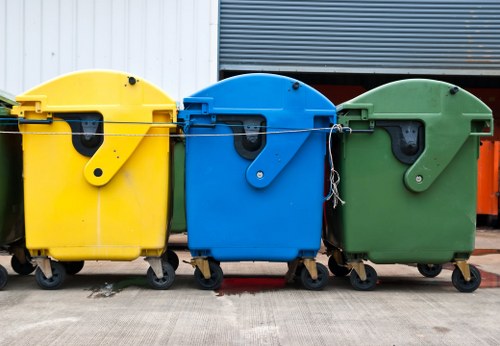 Our network includes local community re-use charities, social enterprises that refurbish furniture, and national charity chains that accept larger donations — all of which help extend product life and divert bulky items from the residual waste stream. When an item is fit for reuse we prioritise donation and refurbishment over recycling; when repair is not feasible we ensure responsible material separation so components can be recycled efficiently.
 Examples of collaborative activity include scheduled drop-offs to community centres, direct collection pickups coordinated with charity partners for single-item donations, and selective refurbishment projects that create local employment and training opportunities. These activities strengthen the sustainable rubbish area model by keeping goods in circulation and supporting vulnerable people in the borough.
Transport choices are critical to making a genuine low-impact service. Our fleet is increasingly composed of low-carbon vans, including fully electric LCVs and hybrid models for longer runs, plus cargo bikes for inner-city access where permitted. Switching to electric and low-emission vehicles directly supports a lower-carbon eco-friendly waste disposal area and reduces noise and air pollution in residential neighbourhoods.
Operationally, we plan routes to combine drop-offs to reuse charities and transfer stations in a single run, cutting unnecessary mileage and keeping our carbon footprint down. We also use lightweight, stackable containers to reduce trips and improve loading efficiency, and we monitor fuel and energy use to inform fleet renewal plans.
To support accountability, Flat Clearance Southwark publishes periodic sustainability updates summarising diversion rates, fuel savings from low-emission vehicles and the tonnages passed to reuse partners. These records help us track progress toward our 65% recycling percentage target and adjust strategy where improvement is needed.
Why this matters: a strong, local sustainable rubbish area reduces landfill, protects community space and supports circular local economies. By prioritising reuse, partnering with charities, using nearby transfer stations and investing in low-emission vans, we create a practical model for eco-friendly waste disposal area management in Southwark.
We continually refine our approach to match borough waste separation policies, support community reuse projects and adopt innovations in low-carbon logistics. Our aim is to make every clearance an opportunity to save resources, lower emissions and contribute positively to the neighbourhood.
Whether you need a single flat clearance or ongoing removal support, our focus on sustainable outcomes ensures materials are handled responsibly and in line with best practice for a greener Southwark.