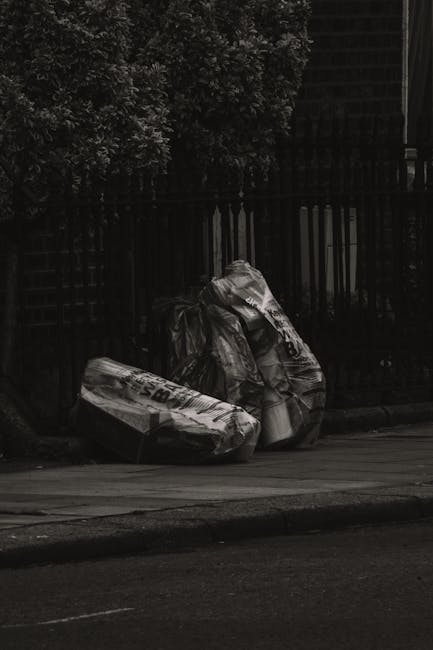
Elephant and Castle bulky waste collection Southwark: a practical guide for homes, flats and businesses
If you are dealing with a sofa that will not fit through the door, a broken wardrobe in the hallway, or a pile of awkward bits after a clear-out, Elephant and Castle bulky waste collection Southwark can save you a lot of time and bother. Truth be told, bulky items are rarely just "one item". It is usually a mix of heavy lifting, tight stairwells, parking headaches, and the small panic of wondering where on earth it all goes.
This guide breaks the process down in plain English. You will learn what bulky waste collection covers, how it typically works in Elephant and Castle and the wider Southwark area, what to check before you book, and how to avoid common mistakes. If you want a smoother, cleaner, less stressful way to clear large items, you are in the right place.
Practical takeaway: the best bulky waste collection is not just about removing stuff quickly. It is about safe lifting, responsible sorting, sensible pricing, and making sure the items are handled properly the first time.
Table of Contents
- Why Elephant and Castle bulky waste collection Southwark Matters
- How Elephant and Castle bulky waste collection Southwark Works
- Key Benefits and Practical Advantages
- Who This Is For and When It Makes Sense
- Step-by-Step Guidance
- Expert Tips for Better Results
- Common Mistakes to Avoid
- Tools, Resources and Recommendations
- Law, Compliance, Standards, or Best Practice
- Options, Methods, or Comparison Table
- Case Study or Real-World Example
- Practical Checklist
- Conclusion
- Frequently Asked Questions
Why Elephant and Castle bulky waste collection Southwark Matters
Bulky waste is the kind of rubbish that is too large, too heavy, or simply too awkward for normal household disposal. Think mattresses, wardrobes, old sofas, office chairs, broken shelving, appliances, dismantled furniture, and garden items that have seen better days. In a busy part of London like Elephant and Castle, that sort of waste can become a real nuisance fast.
Space is precious here. Flats can be compact, access can be tight, and lift availability is not always guaranteed. So when bulky items start taking up room, they affect daily life in ways people do not always expect. A spare mattress leaning in a corner is not just ugly; it gets in the way of cleaning, moving, redecorating, and even basic sanity. Let's face it, nobody wants to keep stepping around a dead wardrobe leg for two weeks.
There is also the practical side. Heavy or oversized items can be difficult to move safely without the right equipment and enough people on site. A rushed attempt can damage walls, stair rails, floors, and sometimes backs. That is why a proper bulky waste collection service matters: it reduces risk, saves time, and helps keep your property tidy and usable.
For people in Southwark, the search is often not only about removal but about finding a service that understands local access, mixed housing types, and the need for a tidy, respectful clearance. If your clear-out is part of a wider project, you may also find it helpful to look at home clearance, flat clearance, or house clearance options alongside bulky waste removal.
How Elephant and Castle bulky waste collection Southwark Works
In most cases, the process is straightforward, though the details can vary depending on the size and type of items, the building layout, and how much sorting is needed. The better the preparation, the smoother the collection. Simple as that.
1. You identify what needs to go
Start by listing every bulky item you want removed. Include the obvious things, but also the "bits" that often get forgotten: broken bed frames, chair parts, old bedside tables, wardrobes with detached doors, or an appliance that has been sitting unplugged for months.
2. You describe access clearly
Access is one of the biggest factors in bulky waste work. Can a van stop close to the property? Is there a lift? Are there stairs, narrow hallways, parking restrictions, or controlled entry points? A good description helps avoid surprises on the day.
3. The collection is assessed
For many customers, the provider will ask for a description or photos so they can estimate the work involved. That matters because two items may look similar in size but differ hugely in weight, awkwardness, or dismantling effort. A pine wardrobe is not the same as a solid oak one. You know this already, of course, if you have ever tried moving one.
4. The items are removed safely
On collection day, the team should remove the items carefully, protect the property where needed, and load waste in a controlled way. Good practice includes safe lifting, sensible use of trolleys or dollies when appropriate, and attention to walls, doors, and shared areas.
5. Waste is sorted for recycling or disposal
Not every item should end up in the same place. Reusable or recyclable materials should be separated where possible. Mixed waste, furniture, appliances, and mattresses may all follow different routes. If you want a broader view of the process, the site's waste removal and recycling and sustainability information can help explain how responsible disposal is approached.
Key Benefits and Practical Advantages
People usually call for bulky waste collection because they need space back. Fair enough. But the real benefits go beyond simply getting rid of stuff.
- Less physical strain: you avoid lifting heavy items yourself, which reduces the chance of injury or damage.
- Faster clear space: a room can go from blocked to usable in a surprisingly short time.
- Better for flats and shared buildings: professional handling is especially useful where access is awkward or neighbours are nearby.
- More controlled disposal: items can be separated for recycling, reuse, or specialist handling when needed.
- Cleaner end result: a proper collection should leave the area tidy, not half-finished.
There is also a mental benefit people often underestimate. A cluttered flat can feel noisy even when it is quiet. Once bulky waste is gone, the room breathes again. Daylight looks different. You notice it in the morning when the floor is clear and your feet are not dodging old furniture.
For larger projects, bulky waste collection can also work neatly alongside furniture clearance, mattress and sofa disposal, or fridge and appliance removal, depending on what you need gone.
Who This Is For and When It Makes Sense
Elephant and Castle bulky waste collection Southwark is not just for people moving house. In practice, it suits a much wider group.
Homeowners and tenants
If you are replacing furniture, clearing out a spare room, or dealing with items left behind after a tenancy, this service can be the simplest route. It is especially helpful if you live in a top-floor flat or a building where carrying large items downstairs would be a nightmare.
Landlords and letting agents
End-of-tenancy clearances often involve bulky items that tenants could not or did not remove. In those situations, speed matters. Vacant properties are costly enough without a sofa taking up half the lounge for another week.
Businesses and offices
Office closures, refurbishments, and reorganisations generate desks, chairs, shelving, filing cabinets, and other large items. If that sounds familiar, office clearance or business waste removal may be the more suitable route.
People clearing storage spaces
Garages, lofts, basements, and utility areas can hide bulky items for years. Once you decide to clear them, the job often grows quickly. One chair becomes a pile. Then a pile becomes a project. That is just how it goes. In those cases, garage clearance or loft clearance can be especially useful.
Step-by-Step Guidance
If you want the smoothest possible collection, a little prep goes a long way. Here is a practical approach that works well in real homes and real buildings.
- Walk through the property
Identify every item that needs removing and check whether anything can be reused, donated, or dismantled more easily before collection.
- Group items by type
Keep furniture together, appliances together, and loose mixed waste separate if possible. This helps with planning and can make sorting easier on the day.
- Measure awkward pieces
Door frames, stair turns, lift sizes, and corridor widths matter more than people expect. A few quick measurements can prevent a lot of hassle.
- Take clear photos
Photos make it easier to judge volume, access, and any special handling needs. Try to capture full items and the route out of the property.
- Check for hazardous or restricted items
Some materials need special handling. Do not quietly mix everything together and hope for the best. That usually creates a problem later.
- Book a suitable service
Use the most relevant service for the job. Furniture, appliances, garden waste, and builder's debris all have slightly different handling needs. If you are unsure, review the site's pricing and quotes information before you go ahead.
- Prepare access on the day
Unlock doors, reserve space if you can, and make sure the route is clear. If there is a concierge, porter, or building manager involved, let them know in advance.
A small but useful tip: if you are clearing a flat in the evening, put aside bins, shoes, umbrellas, and anything fragile before the collection starts. Nobody wants a lamp knocked over because the hallway still had "temporary" storage in it.
Expert Tips for Better Results
Over time, the difference between a stressful collection and a tidy one usually comes down to the prep work. Here are a few things that genuinely help.
- Be precise about item condition. A damp mattress, shattered cabinet, or partially dismantled sofa may need different handling than intact furniture.
- Separate reusable items. If something can be used again, say so. It may influence the way it is handled.
- Think about access before you think about volume. A single bulky item on a narrow stairwell can take longer than a whole stack of smaller pieces at ground level.
- Keep fragile surfaces protected. Hallway corners, banisters, and painted walls are vulnerable during large-item moves.
- Ask about specialist categories early. Appliances, mattresses, confidential paper, and some waste types should be flagged upfront. That avoids the awkward "oh, we forgot to mention this" moment.
If you are clearing a mixed property, it may be worth looking at related services such as home clearance or flat clearance, because one visit can often cover more than one category of waste. That is usually more efficient, and less back-and-forth, which is nice for everyone.
Expert summary: good bulky waste removal is half logistics, half judgement. The better the access details, item list, and waste type information, the cleaner the result tends to be.
Common Mistakes to Avoid
Most problems with bulky waste collections are avoidable. Not all, but most.
- Underestimating access issues. If the collection team has to carry items down several flights of stairs, that changes the job.
- Leaving items mixed together. This can make sorting slower and more complicated than it needs to be.
- Forgetting special items. Appliances, breakables, and awkward debris can slip your mind until the last minute.
- Booking the wrong service type. Furniture clearance, builders waste, and general waste removal are not always interchangeable.
- Trying to lift too much yourself. A quick DIY move can turn into a painful one. Or a scratched wall. Or both.
- Not checking security or payment details. When you are comparing providers, it is sensible to review payment and security information and understand what is included.
Another one that catches people out: assuming everything can be placed out on the street without issue. In busy parts of Southwark, that is rarely a good plan. It can be inconvenient, messy, and in some cases simply not appropriate. Better to arrange a proper collection and keep things tidy from the start.
Tools, Resources and Recommendations
You do not need fancy equipment to prepare for bulky waste collection, but a few simple tools make life much easier.
- Measuring tape: useful for doors, hallways, stair turns, and lift sizes.
- Phone camera: take photos of items and access routes.
- Marker labels or notes: helpful if you are separating what stays and what goes.
- Strong bin bags or boxes: ideal for smaller loose items that would otherwise get in the way.
- Gloves and sturdy footwear: sensible if you are moving any items around before the team arrives.
On the planning side, the most useful resources on the site tend to be the pages that help you match the job to the right disposal route. For example, furniture disposal is useful where individual items are the main issue, while what can go in a skip can help you think through mixed loads if you are weighing up different methods.
If you are unsure whether you need a full clear-out or just targeted removal, you can also compare your needs with builders waste clearance, garden clearance, or home clearance. A little comparison now saves confusion later. Handy, really.
Law, Compliance, Standards, or Best Practice
For bulky waste, the main concern is responsible handling. In the UK, waste should be stored, transported, and disposed of properly, and commercial operators are expected to follow appropriate duty-of-care practices. You do not need to become a legal expert to book a collection, but it is wise to choose a provider that treats compliance seriously.
Best practice usually includes clear identification of waste types, careful separation where practical, safe loading, and proper disposal routes for items that need specialist handling. That matters because not every item can be treated the same way. Mattresses, appliances, mixed furniture, and potentially hazardous materials may each require different handling.
It is also sensible to look for clear policies around safety, insurance, and environmental responsibility. The site's insurance and safety information, along with health and safety policy, can help give a clearer picture of how a provider approaches the job.
If your bulky waste includes anything that may be unsafe or restricted, a cautious approach is best. Some items should be flagged before collection so they can be handled correctly. That is not over-cautious; it is just sensible.
Options, Methods, or Comparison Table
There is more than one way to deal with bulky waste in Elephant and Castle. The right choice depends on access, volume, item type, and how quickly you need the space back.
| Method | Best for | Strengths | Things to watch |
|---|---|---|---|
| Bulky waste collection | Large items, mixed household waste, awkward furniture | Convenient, practical, good for fast clearances | Needs accurate item and access details |
| Furniture clearance | Sofas, wardrobes, tables, chairs | Well suited to standard furniture jobs | May not cover all non-furniture waste |
| Flat or home clearance | Multiple rooms or a wider clear-out | Covers bigger projects in one go | Can be more than needed for a single item |
| Skip-based disposal | Ongoing waste generation, renovation debris | Useful for phased work and site projects | Needs space and planning; check suitability first |
| Targeted appliance removal | Fridges, cookers, washing machines | Good for specialist items | Some appliances need extra care due to their type |
For many people, the simplest answer is a blend of services. For example, a flat in Elephant and Castle might need sofa removal, a bed frame taken away, and a few bags of mixed clutter gone at the same time. In that case, a combination of mattress and sofa disposal and broader waste removal can be more practical than trying to split the job into tiny parts.
Case Study or Real-World Example
Imagine a second-floor flat near Elephant and Castle station. The resident has a broken sofa, a heavy bed base, and two wardrobes that no longer match the rest of the home. The hallway is narrow, the lift is small, and there is a sharp corner at the top of the stairs. Not ideal.
Instead of trying to move everything in stages over several weekends, the resident takes photos, checks measurements, and groups the items in one room. They also clear the route from the flat to the front door, move loose shoes and bags out of the way, and let the building manager know there will be a collection.
On the day, the bulky items are removed in one visit. The result is not glamorous, but it is effective. The room feels bigger immediately. You can hear your footsteps again. There is even that little hush you get when clutter finally leaves a space.
The point is not that every job goes exactly like this. Some do, some do not. But the pattern is useful: good preparation, clear communication, and the right type of service usually lead to less stress and a cleaner finish.
Practical Checklist
Use this quick checklist before booking your collection.
- List every bulky item you want removed.
- Check whether any items need specialist handling.
- Measure doors, corridors, stairs, and lifts if access is tight.
- Take clear photos of the items and the access route.
- Separate reusable items from general waste where possible.
- Clear the route to the exit.
- Tell the building manager, concierge, or neighbours if needed.
- Review any relevant service details for furniture, appliances, or mixed waste.
- Check pricing, payment, and security information before confirming.
- Keep fragile or valuable items well away from the collection path.
If you want a more structured service, a simple online booking route can help you move from planning to action without the usual back-and-forth. When you are ready, book online is often the neatest next step.
Conclusion
Elephant and Castle bulky waste collection Southwark is really about making a difficult job feel manageable. Whether you are clearing one awkward item or several bulky pieces from a flat, the key is to plan well, describe the job honestly, and choose a service that understands the realities of Southwark properties.
Get the access details right. Be clear about the waste type. Use the right disposal route. Those small decisions make the biggest difference, honestly. And once the items are gone, you tend to notice it straight away: more space, less visual noise, and a quieter, more workable room.
Get a free quote today and see how much you can save.
And if you are still weighing it all up, that is fine too. A careful decision now usually makes the rest of the week feel a lot lighter.
Frequently Asked Questions
What counts as bulky waste in Elephant and Castle?
Bulky waste usually means items that are too large or awkward for normal household bins. That often includes sofas, beds, wardrobes, tables, chairs, mattresses, appliances, and similar large household objects.
Can I mix furniture with other waste?
Sometimes, yes, but it depends on the type of waste and how it needs to be handled. Mixed loads are common, though separating furniture, appliances, and general clutter usually makes the job easier and more efficient.
Is bulky waste collection suitable for flats?
Very much so. In fact, it is often the best option for flats because stairs, lifts, and narrow entrances can make DIY removal difficult. A proper collection reduces the chance of damage and stress.
Do I need to dismantle furniture first?
Not always. Some items can be removed whole, while others are easier to move if partially dismantled. If a piece is especially large or awkward, breaking it down a little can help, but only if it is safe to do so.
What happens to the items after collection?
Responsible collections sort items for reuse, recycling, or disposal where appropriate. The exact route depends on the item type and its condition. Not everything can go to the same place, and that is a good thing.
How do I prepare for a bulky waste collection?
Make a clear list of the items, measure any tight access points, take photos, and clear the route out of the property. If you live in a shared building, it also helps to let the relevant people know in advance.
Can appliances be collected with bulky waste?
Often yes, but appliances may need specific handling. Items like fridges, freezers, washing machines, and cookers should be mentioned early so the collection can be planned properly.
Is bulky waste collection better than hiring a skip?
It depends on the job. Bulky waste collection is usually better for large single items or smaller clearances with difficult access. A skip can make sense for ongoing renovation or larger volumes, but it needs space and planning.
How much notice do I need to give?
That depends on availability and the scale of the job. Smaller clearances can sometimes be arranged quickly, while larger or more complex jobs benefit from a little more notice. The earlier you book, the smoother it tends to be.
What if I have confidential papers or mixed sensitive waste?
If you have documents or sensitive material, keep them separate and look for an appropriate disposal route. The site's confidential shredding information may be useful for that part of the job.
Are there items that need special care?
Yes. Some items are more delicate, heavy, or potentially hazardous than standard bulky waste. If you are unsure, mention them before the collection so they can be assessed properly rather than dealt with as an afterthought.
Who should use bulky waste collection instead of handling it themselves?
Anyone with heavy items, awkward access, limited time, or a risk of injury should seriously consider professional help. It is especially sensible for upper-floor flats, office clear-outs, and properties with narrow access or shared areas.